Author: Aidee Rosado, OTR/L, TIPHP, PCES
Abstract
This case study explores a comprehensive, trauma-informed rehabilitation approach for a G2P2 postpartum client who experienced significant physical and emotional challenges following her second vaginal delivery. The client presented with pelvic floor dysfunction, including stress urinary incontinence and bowel irregularity, as well as musculoskeletal pain, poor postural alignment, and emotional dysregulation. Her labor was complicated by fetal bradycardia, maternal hemorrhage, and prolonged fetal positioning, which contributed to a drop in hemoglobin and increased fatigue postpartum. Initial assessments revealed a posterior pelvic tilt, sacroiliac joint pain, breastfeeding-related shoulder tension, and body image concerns linked to a history of critical parenting. Interventions focused on pelvic floor education, toileting posture, bowel management strategies, and ergonomic support for breastfeeding. Somatic-based practices and emotional validation were integrated to address trauma and support nervous system regulation. Through occupational therapy, the client was empowered to reconnect with her body, restore functional movement, and reclaim autonomy in daily activities. This case highlights the necessity of early and individualized OT support in the immediate postpartum period, especially for clients navigating complex births and emotional stressors. It also emphasizes the importance of considering the interconnectedness of physical, emotional, and social factors in maternal rehabilitation. The outcome reflects a holistic return to embodied motherhood, where healing extends beyond physical recovery into the realm of identity, resilience, and self-compassion.
Embodied Motherhood: Reclaiming the Postpartum Body Through Rehabilitation and Resilience
In a culture that reveres the beauty of motherhood yet often silences its rawest truths, one woman’s postpartum story is redefining what it means to reclaim the body after birth, not through perfection, but through embodiment.
Up to 20% of women experience mood or anxiety disorders during the postpartum period, with postpartum depression (PPD) affecting approximately 10–15% of mothers globally (Khan, 2025, p. 141). These mental health challenges can significantly disrupt a mother’s ability to bond with her baby, manage daily responsibilities, and maintain healthy relationships, ultimately impacting the entire family system. Common characteristics of PPD include persistent sadness, frequent crying, social withdrawal, low energy, disruptions in sleep and appetite, and feelings of hopelessness (Khan, 2025, p. 142). Even seemingly small changes in mood or function can carry enormous implications for both the mother-baby dyad and the mother’s overall well-being (Müller et al., 2018).
Despite these risks, significant gaps remain in the recognition and treatment of postpartum depression. Britton and Henton (2024) emphasize the need to address not only mental health symptoms but also the broader occupational disruptions mothers face, such as role transitions, lack of support, and reduced engagement in meaningful activities. Alarmingly, 50% of mothers who reported PPD symptoms in their study did not seek professional help.
In the United States, the American Academy of Pediatrics (AAP) recommends routine screening for PPD during the infant’s 1-, 2-, 4-, and 6-month well-child visits. Yet, many women still fall through the cracks. Structural inequities compound this issue; studies have shown that mothers facing racism and socioeconomic disadvantages are at increased risk for poor mental health outcomes and are less likely to receive timely care (Carlson et al., 2025; Zivin & Courant, 2024; Pao et al., 2019; Gennaro et al., 2020).
Hurtado et al. (2022) identified five domains in which mothers reported needing the most support: social networks, physical health, emotional and psychological health, role transition, and advocacy. Occupational therapy is uniquely positioned to address these needs. Through interventions such as energy conservation strategies for household management, adaptive techniques for childcare tasks like feeding and bathing, and education on pelvic and musculoskeletal health, occupational therapists help mothers regain function and confidence in daily life. Baker et al. (2024) noted that many mothers struggle with a mismatch between the occupations they value and those imposed by the demands of motherhood, leading to decreased self-efficacy and a profound sense of identity loss.
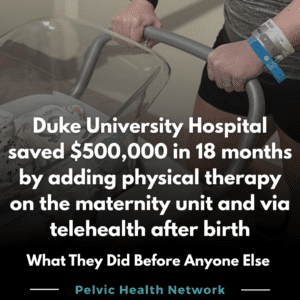
Occupational therapy can play a critical role in maternal mental and physical recovery through both in-person and virtual formats (Merkel et al., 2023). As part of an interdisciplinary team, OT can improve outcomes for both mother and baby (Slootjes et al., 2019). Kristensen et al. (2018) found that 1 in 4 women report low maternal mood and confidence within the first two months postpartum, highlighting the need for early intervention in acute care, home health, or outpatient settings. Access to these specialized services can be found through the postpartum recovery hospital directory.
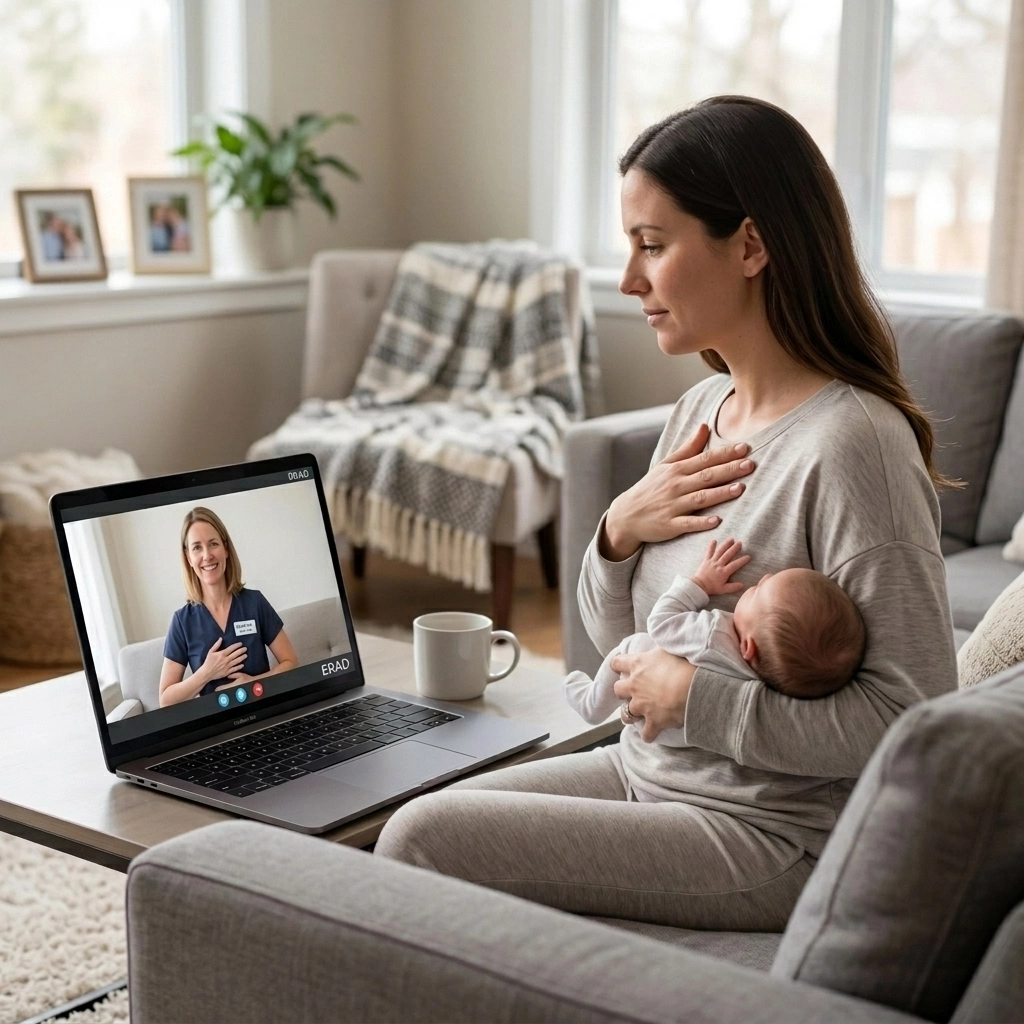
Additionally, Snyder et al. (2022) found that telehealth-based pelvic rehabilitation significantly improves urinary symptoms, pelvic floor function, and quality of life. Offering diverse formats, including group, individual, phone, or online options, can increase engagement and accessibility for postpartum mothers (Simhi et al., 2021).
The Journey of Recovery: Patient Narrative
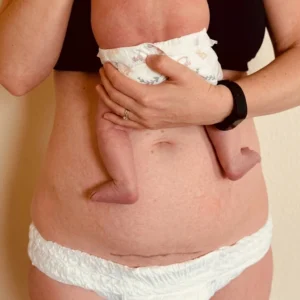
Andy, a second-time Mexican-American mother with a magnetic presence and a resilient spirit, gave birth to her son after a labor marked by complexity and courage. Her delivery was anything but smooth: a cascade of complications including fetal bradycardia, maternal hemorrhage, and a baby who lingered, lodged against her right hip. The birth ended like the typical Hollywood birth scene – on her back. She left the hospital with her son in arms, and with a hemoglobin level of 8, a body aching with fatigue, and a mind heavy with uncertainty about how to manage two children under two once at home.
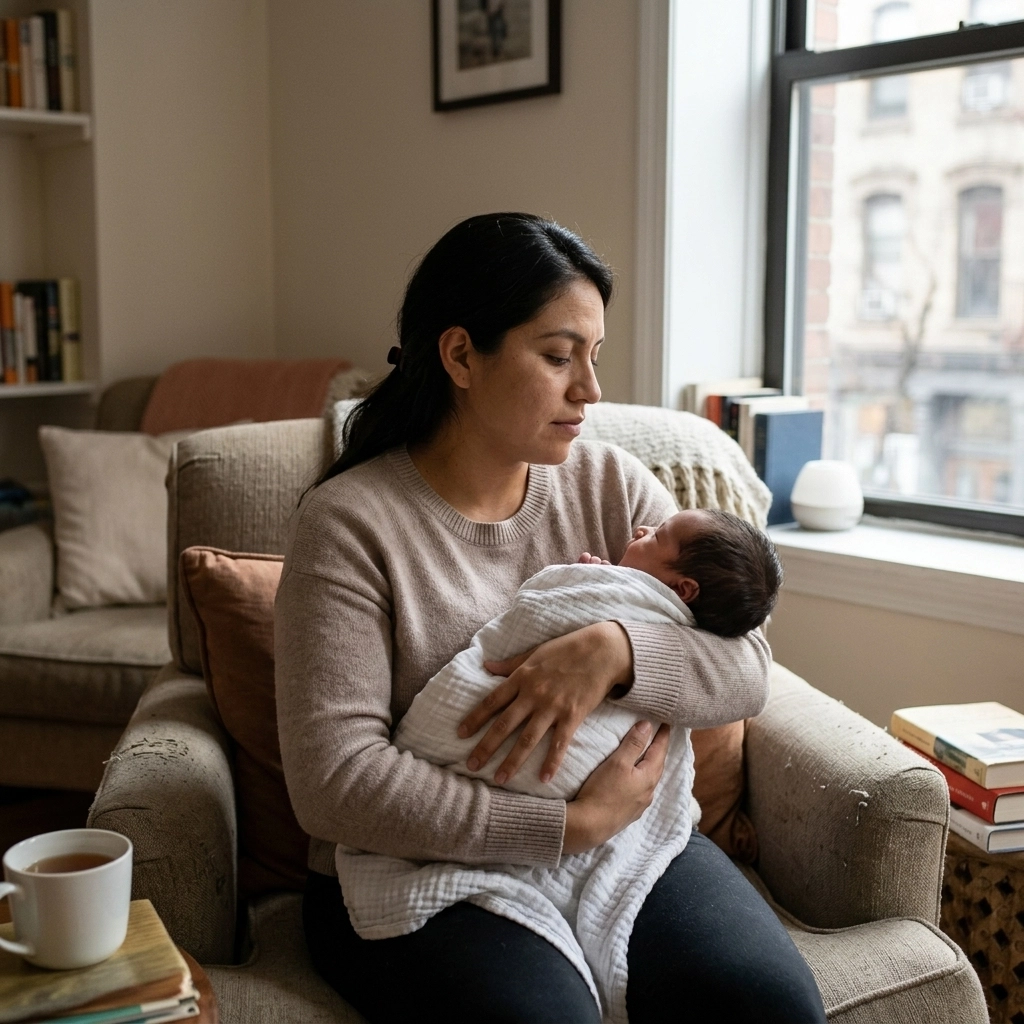
But what happens after the hospital discharges you home? For Andy, like millions of women, the postpartum period brought far more than cuddles and midnight feedings. It brought pain, physical, emotional, and spiritual. Her low back burned after prolonged periods of standing while trying to lull her baby to sleep, her shoulders rounded for hours at a time while breastfeeding, and urine leaked each time she sneezed. “I miss myself,” she said during her initial visit. “I miss my workouts. My autonomy. I’m touched out. I feel broken.” The loss of identity weighed heavy on Andy. As a maternal health occupational therapist, I hear this often, not just the words, but the grief in them.
Andy sought me out while she was on maternity leave from being an Occupational Therapist. She was approximately 5 weeks postpartum at the time of her evaluation. She is married and has a 2.5-year-old daughter. She currently resides in a 2nd floor apartment with no elevator access. Her husband works the night shift and she doesn’t have good social support as her family lives 2 hours away. One of the reasons she decided to start maternal and pelvic health intervention was because it was virtual and she didn’t have to worry about childcare.
She wasn’t having any social interaction with anyone older than 2 years old daily. Anytime her husband would need anything, she could feel her blood boil and on the brink of snapping. She had been noticing how irritable she was becoming with her oldest daughter and her husband. She wasn’t sleeping at all with on demand chest feeding. So, out the gate, she was aware that she had postpartum depression, but she was too scared to reach out. Through the use of Edinburgh Postnatal Depression Scale, Pelvic Floor Distress Inventory, Canadian Occupational Performance Measure, motivational interviewing and subjective report, we were able to confirm what her concerns revolved around: creating a manageable routine to include her self-health management along with her families, manage her emotional regulation to be able to stay present with children and be able to participate in all of life’s demands without worrying that she was going to have incontinence.
Treatment Session 1: Pelvic Health Education and Nervous System Regulation
Andy’s rehabilitation became the quiet revolution of her recovery: a tailored blend of pelvic floor therapy, mindful movement, and trauma-informed care designed to restore her not just functionally, but holistically.
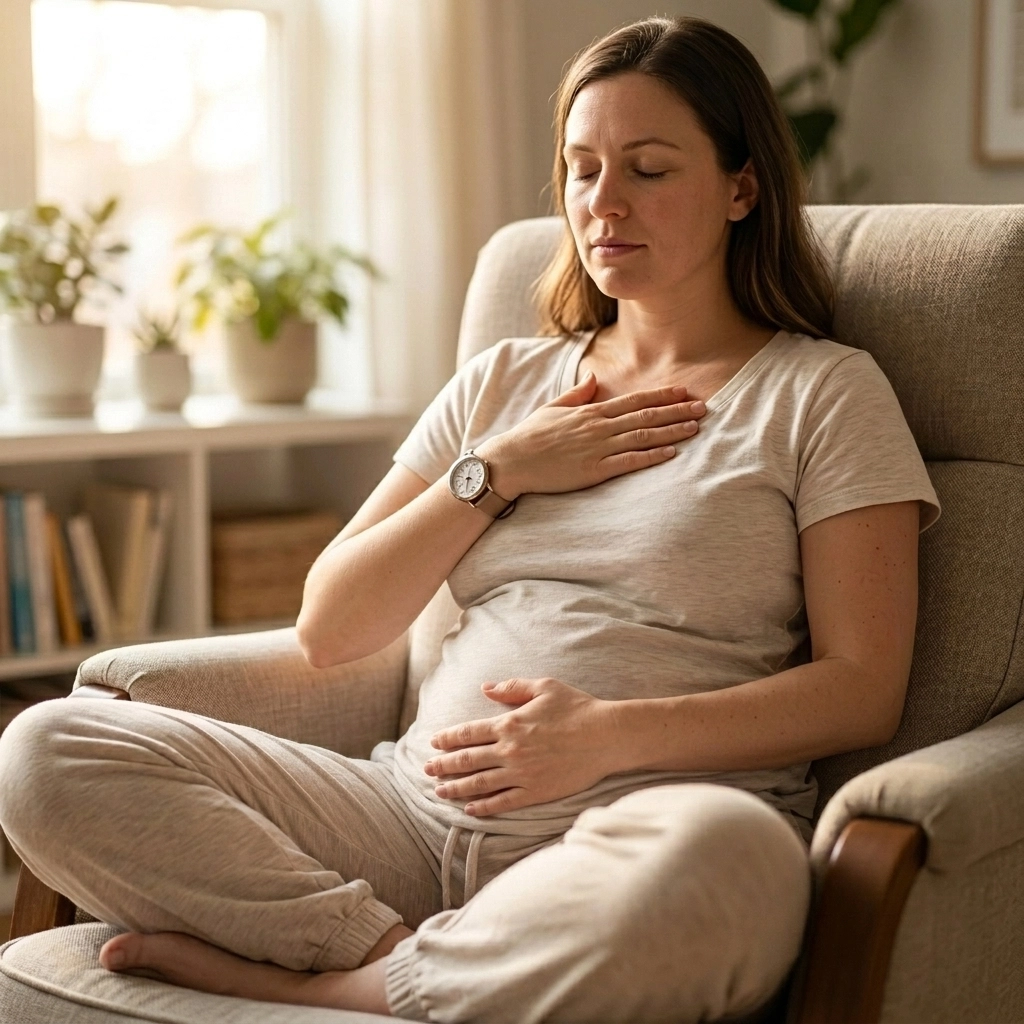
Our work began with the basics: core, bowel and bladder education which included a bowel and bladder diary, toileting posture, hydration awareness, and constipation management techniques while at the same time, exploring her nervous system to identify triggers to her irritability. Cognitive behavior techniques helped her put pen to paper to reframe the negative thoughts about her body, her parenting, and her overall view of motherhood. Her first homework assignment was incredibly simple: to breathe and to notice. Notice the guarding in her body, the irritability creeping up, the breath holding. The wonderful thing about learning to breathe is that it is so integral to pelvic and mental health.
Treatment Session 2: Embodiment and Habit Stacking
By looking at Andy’s roles and routines, Andy’s goals extended beyond symptom relief. She sought embodiment, a return to herself not as she once was, but as she could be now: grounded, strong, and whole. We integrated breathwork to support her pelvic stability, movement sequences to rebuild core function while habit stacking during her daily routine, and somatic check-ins that allowed her nervous system space to be processed.
She began to identify triggers with her oldest child not as failures of motherhood, but as echoes of her own childhood conditioning. And in doing so, she found compassion, not just for her child, but for the small girl she once was. As she gained self-efficacy through committing to her health via her daily routines and habit stacking, she was able to gain confidence in herself.
Conclusion: Addressing the Systemic Gaps
This is what postpartum rehabilitation can be when we widen the lens: not a bandage for brokenness, but a bridge to becoming. Andy didn’t just heal her pelvic floor, she redefined her postpartum story on her own terms.
As clinicians, advocates, and women, we must demand more from the maternal health system: more referrals to pelvic rehab, more conversations about mental health, and more respect for the postpartum timeline, which doesn’t end at six weeks, it evolves over months, even years. For families seeking specialized care early in this journey, the directory of hospitals with early OT and PT recovery services serves as a vital resource.
Andy’s story is one of embodied motherhood, a term that insists the postpartum body is not something to “bounce back” from but something to honor, listen to, and live in, fully.
References
- Baker, H., Cuomo, B., Femia, C., Lin, D., Stobbie, C., McLean, B., & Hatfield, M. (2024). Occupational therapy in maternal health: Exploring the Barkin Index of Maternal Functioning as a potential tool. Australian occupational therapy journal, 71(2), 279–290. https://doi.org/10.1111/1440-1630.12926
- Britton, E., & Henton, P. A. (2024). Identifying and exploring gaps in postpartum depression care: An occupational therapy lens. American Journal of Occupational Therapy, 78(Supplement_2), 7811500088p1. https://doi.org/10.5014/ajot.2024.78S2-PO88
- Carlson, K., Mughal, S., Azhar, Y., et al. (2025, January 22). Perinatal depression. StatPearls [Internet]. StatPearls Publishing. Available from https://www.ncbi.nlm.nih.gov/books/NBK519070/
- Gennaro, S., O’Connor, C., McKay, E. A., Gibeau, A., Aviles, M., Hoying, J., & Melnyk, B. M. (2020). Perinatal Anxiety and Depression in Minority Women. MCN. The American journal of maternal child nursing, 45(3), 138–144. https://doi.org/10.1097/NMC.0000000000000611
- Pao, C., Guintivano, J., Santos, H., & Meltzer-Brody, S. (2019). Postpartum depression and social support in a racially and ethnically diverse population of women. Archives of Women’s mental health, 22(1), 105–114. https://doi.org/10.1007/s00737-018-0882-6
- Khan, S. (2025). Occupational Therapy and Women’s Health: A Practitioner Guide. Routledge.
- Simhi, M., Sarid, O., Rowe, H., Fisher, J., & Cwikel, J. (2021). A cognitive–behavioral intervention for postpartum anxiety and depression: Individual phone vs. group format. Journal of Clinical Medicine, 10(24), 5952. https://doi.org/10.3390/jcm10245952
- Slootjes, H., McKinstry, C., & Kenny, A. (2016). Maternal role transition: Why new mothers need occupational therapists. Australian Occupational Therapy Journal, 63(2), 130–133. https://doi.org/10.1111/1440-1630.12225
- Snyder, K., Mollard, E., Bargstadt-Wilson, K., Peterson, J., Branscum, C., & Richards, T. (2022). Pelvic floor dysfunction in rural postpartum mothers in the United States: prevalence, severity, and psychosocial correlates. Women’s health, 62(9-10), 775–787. https://doi.org/10.1080/03630242.2022.2146831
- Zivin, K., & Courant, A. (2024). Disparities in Utilization and Delivery Outcomes for Women with Perinatal Mood and Anxiety Disorders. Journal of Psychiatry and Brain Science, 9(2), e240003. https://doi.org/10.20900/jpbs.20240003
- World Health Organization. (2022). Women’s Mental health in the perinatal period: Risks, opportunities, and policy considerations. https://www.who.int/publications/i/item/9789240064072
Aidee Rosado, OTR/L, MOT, MPH, TIPHP is a Board Certified Occupational Therapist specializing in maternal health, with a clinical background in acute care, neurorehabilitation, pediatrics, and pelvic health. She is the founder of Crescent Pelvic Health and Wellness in San Antonio, Texas, where she provides trauma-informed, function-focused rehabilitation for postpartum individuals. Her work centers on addressing the physical, emotional, social and occupational impacts of childbirth, with a particular focus on complex birth recoveries and health equity in maternal care.