To view the replay of past events, use the calendar feature to go back to the date of the event.

Latest Past Events

Cesarean Birth Prep & Postpartum Rehab Workshop

The most important window for recovery after Cesarean birth is the first few weeks after surgery. That’s when patients are getting out of bed, lifting their baby, and trying to move through pain and fatigue while still managing the demands of daily life. They’re getting in and out of a car for the first time after surgery.They’re going to a pediatrician visit within the first week.Some are traveling back and forth to the NICU.They’re navigating stairs, standing long enough to shower, and caring for other children at home. In some cases, they’re recovering from surgery without consistent help or managing newborn care as a single parent. And most of them are doing it without a clear plan. They’re told to “take it easy,” but the guidance is vague and not tailored to the actual demands of their day, so patients are left to figure out on their own how to move, lift, and function in a way that supports healing. This is where recovery starts to break down. Rehabilitation is often delayed or not introduced at all during this early window, even though this is when guidance has the greatest impact on mobility, pain, and return to daily activities. This workshop is designed to help clinicians step into that window with more clarity and confidence. In this 90-minute workshop, you will learn how to support patients before and after Cesarean birth using a structured, timeline-based approach to recovery. We will review how cesarean delivery impacts the abdominal wall and overall function, and how these changes influence movement, activity tolerance, and return to daily tasks. You will leave with practical strategies to guide early mobility, positioning, breathing, and activity progression in the first days and weeks postpartum, along with a clear way to communicate expectations, identify when to refer, and provide education patients can use immediately at home. Expand Your Practice Become the clinician patients and providers trust for early recovery after Cesarean birth Step into a gap in care that is currently underserved in most hospitals and communities Offer guidance during the most critical window of recovery instead of waiting until weeks later Build confidence addressing early postpartum needs, even without a specialty certification Strengthen your role within your team by providing clear, actionable recovery plans Improve patient outcomes by addressing mobility and function when it matters most Differentiate your services by offering structured, timeline-based recovery support Position yourself as a leader in early maternal surgery care within your setting ENROLL HERE

$75

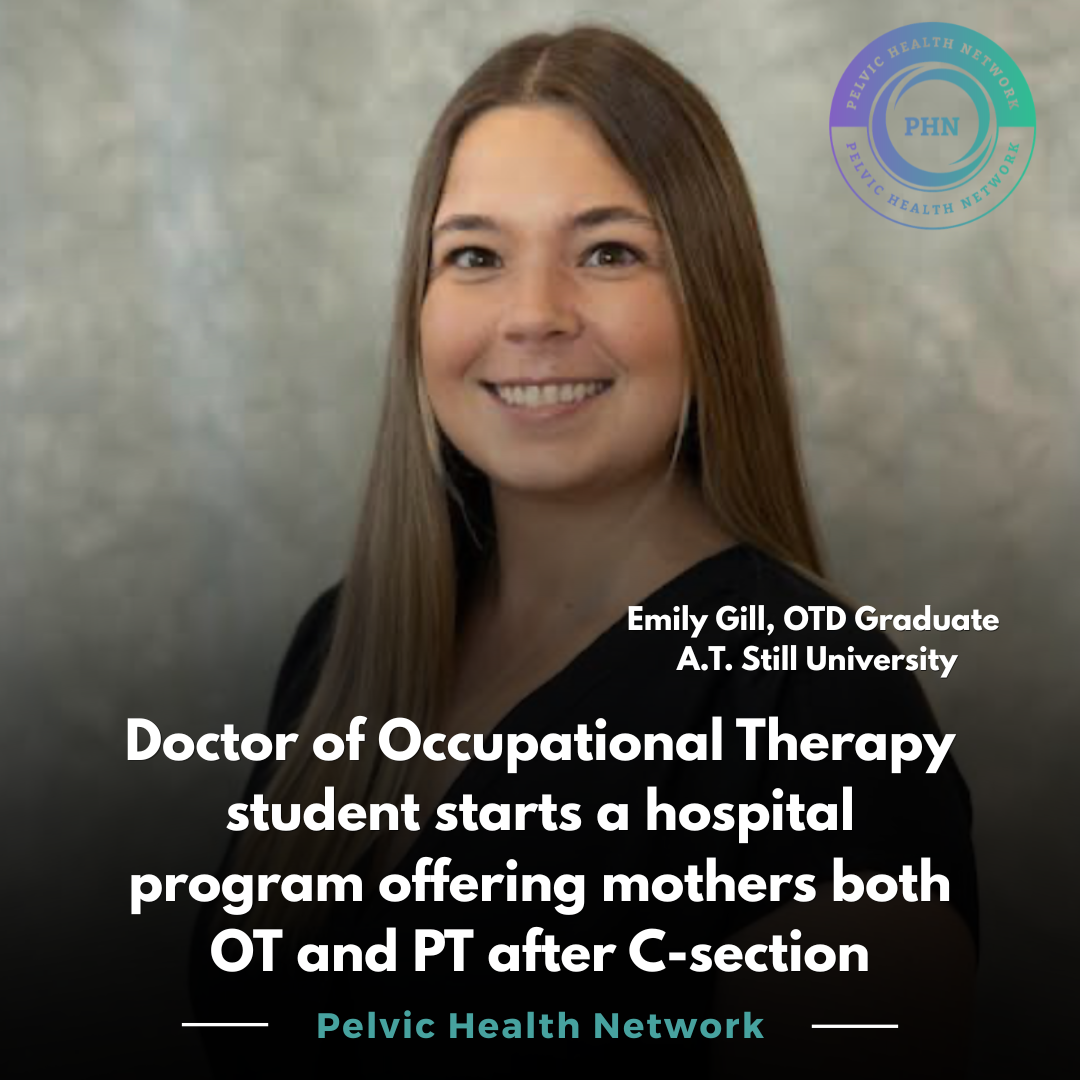
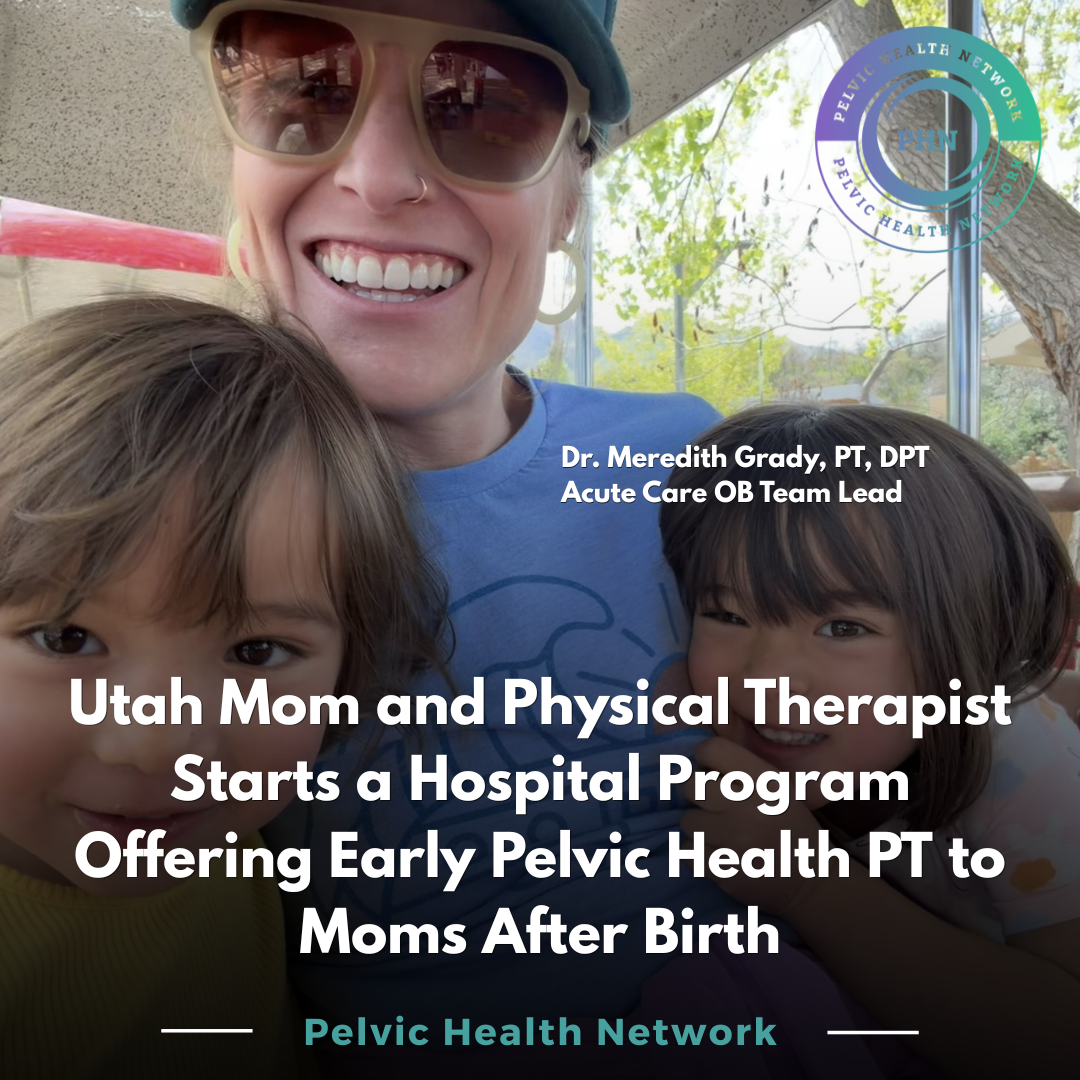
They Started Rehab After C-Section in the Hospital. Here’s What Happened.

What happens when moms get help recovering after a C-section…before they leave the hospital? At Intermountain Medical Center, physical therapists started seeing patients during their hospital stay, not weeks later, and the difference was clear. Patients shared: • Less pain• More confidence getting up and moving• Feeling more prepared to go home• “Why wasn’t this a thing before?” Nurses saw it too: • Patients moving better• Smoother recovery on the unit• Strong support for making this standard care The results were so strong, the team presented their work at a national conference in 2026. In this session, you’ll hear directly from the team who built the program: • How they made it part of everyday hospital care• What they’re actually doing with patients• What patients and nurses experienced If you’ve been asking why this kind of support isn’t standard after C-section, Dr. Geanna Granger and Dr. Ginger Leibfritz are going to show you what it looks like when it is. Free to attend. Register HERE to join live.

We Can’t Wait 6 Weeks: Early Rehab After 3rd & 4th Degree Tears

Third and fourth degree perineal tears, also known as obstetric anal sphincter injuries (OASIS), can significantly affect bowel function, pain, mobility, and participation in daily activities during the early postpartum period. Despite the functional impact of these injuries, rehabilitation is frequently delayed until the traditional six-week medical clearance, leaving a critical gap in early management. This course examines the clinical rationale for initiating rehabilitation within the first six weeks and outlines evidence-informed assessment and intervention strategies appropriate for acute and early postpartum care. Participants will analyze tissue healing timelines, bowel protection principles, red flag screening, and early mobility considerations specific to severe perineal trauma. Instruction will emphasize functional assessment, symptom-guided progression, and interdisciplinary communication. The course also explores how to adapt early rehabilitation principles across acute care, home health, outpatient, and telehealth settings to support safe recovery and restore participation in meaningful activities while reducing risk of long-term dysfunction. REGISTER HERE

$75