In the modern American healthcare system, one pattern stands out: Orthopedic surgery and Obstetrics and Gynecology (OBGYN) are both demanding surgical fields. Both require precision. Both carry risk. Both shape a patient’s long-term recovery. Yet the support around those physicians looks nothing alike. This isn’t a coincidence. It’s a massive flaw in how we support our doctors.
The data points to a clear divide. According to the 2025 Doximity Physician Compensation Report, Orthopedic Surgeons earn an average of $679,517 a year, while OBGYNs average $389,566. Other industry data, such as the 2024/2025 Medscape reports, similarly show Orthopedic Surgeons earning significantly more (averaging $558,000–$564,000) compared to OBGYNs ($352,000–$376,000). The pay gap matters. However, the deeper story is what sits behind it. In Orthopedics, compensation is reinforced by a built-in recovery machine. In OBGYN practice, the physician is too often expected to be the machine.
The Automated Machine vs. The Solitary Burden
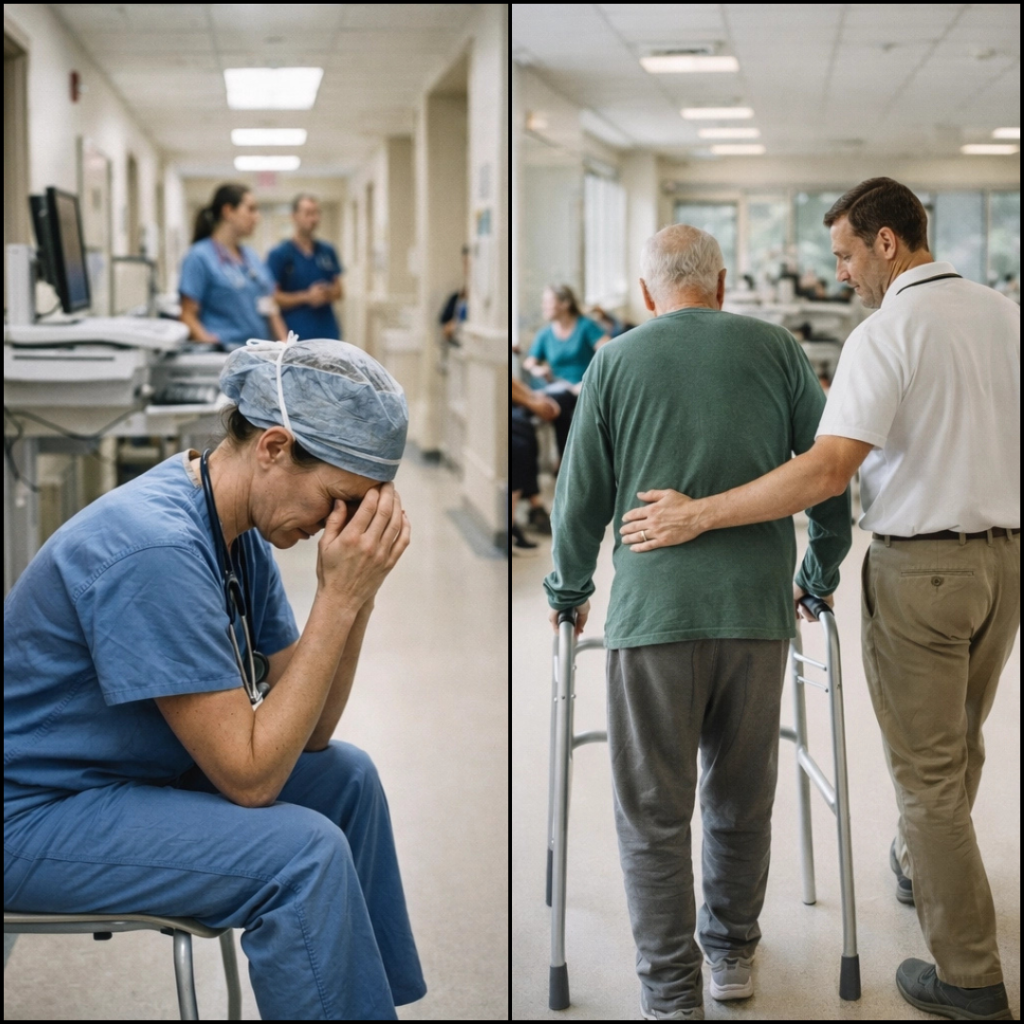
When an orthopedic surgeon completes a total joint replacement, recovery does not rest on that surgeon alone. Instead, an automated chain of referrals begins almost at once. Physical and occupational therapists enter the patient’s room within hours. They take charge of mobility, movement-based pain management, home environmental readiness, and the rehab plan that follows. As a result, the surgeon can return to the operating room while trained colleagues handle recovery.
That‘s the difference. Orthopedic surgeons work inside a system built to absorb post-op needs. The model protects their time, narrows their role, and keeps them from becoming the default contact for every setback during healing. By contrast, the experience of the OBGYN is often far more isolated.
After a Cesarean section or a complex vaginal delivery, OBGYNs frequently remain the only real point of contact for a patient’s recovery needs. Instead of an integrated rehab team, the surgeon is often left managing functional recovery issues. These include conditions like symphysis pubis dysfunction (SPD), tailbone pain, prolapse, urinary incontinence, obstetric nerve palsy, and postpartum deconditioning after high-risk pregnancy. While some systems utilize visiting nurses, these roles rarely provide the specialized musculoskeletal and functional rehabilitation that PTs and OTs offer. Trying to address these complications in a standard office visit without a rehab partner is one reason burnout keeps deepening across the OBGYN workforce.

The Clinical Cost of the Support Gap
This divide does more than wear physicians down. It also creates risk for patients. Recent data shows that OBGYN burnout has reached critical levels, with up to 72% of practitioners reporting emotional exhaustion and loss of professional fulfillment. Moreover, research has linked clinician burnout to defensive practice patterns, more mistakes, and lower-quality care.
When one physician carries the full mental load of postpartum recovery, subtle problems get missed. Pelvic floor dysfunction, postpartum depression, pain with movement, and secondary mobility issues can slide behind the immediate surgical check. Meanwhile, the clock keeps moving. If OBGYNs had the same automatic rehab protocols common in Orthopedics, many of these problems could be caught earlier and treated sooner.
Bringing specialized therapists into the maternity care team would let OBGYNs focus on the work only they can do. At the same time, it would spread the recovery load across the right disciplines. That is not merely a staffing preference. It is a patient safety strategy. For organizations looking to modernize these pathways, the postpartum recovery hospital directory provides examples of institutions that offer rehabilitation after birth and are closing this gap through strategic integration.
The Athlete Model vs. the Postpartum Reality
Consider how the system treats a professional athlete. If a star quarterback suffers a complete muscle rupture or a ligament injury, the healthcare system mobilizes a small army of therapists and trainers. The goal is clear. Restore function fast and protect long-term performance. Yet, when a mother sustains a Grade 3 perineal tear or undergoes major abdominal surgery during childbirth, the standard response is often a wait-and-see approach followed by a single six-week checkup.
That gap is hard to defend. The physical demands of caring for a newborn while recovering from surgery are significant. In many cases, they are more relentless than the demands placed on a rehabilitating athlete. Still, the same old pattern holds. Orthopedic patients get a roadmap. OBGYN patients get discharge instructions and a number to call when something goes wrong.

The absence of an automated referral system for pelvic health rehabilitation is not just a missed opportunity. It is a design failure. In the orthopedic model, the therapist serves as the first line of recovery. In the obstetric model, the OBGYN is too often forced to be the first, second, and third line of defense. By shifting toward an automatic order set, hospitals can bring the strengths of the orthopedic model into women’s health units.
Economic Evidence for a New Model
Some hospital administrators may argue that the current OBGYN model is more cost-effective because it uses fewer specialists. However, the numbers point the other way. What looks lean on paper often becomes expensive in practice.
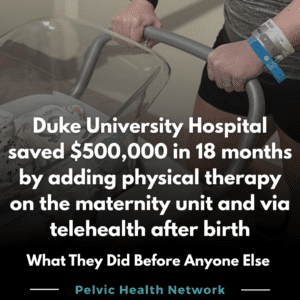
Data from a quality improvement initiative at Duke University Hospital showed the financial impact of integrating physical therapy into maternity units. By introducing early intervention for new parents, both in person and through telehealth, the hospital avoided over $500,000 in costs over an 18-month period. These savings were driven by a significant reduction in readmissions, better management of postpartum complications, and stronger patient satisfaction scores.
At the same time, the cost of replacing a single OBGYN because of burnout is estimated at between $500,000 and $1,000,000 once recruitment, lost revenue, and onboarding are counted. Therefore, investing in a collaborative care model that includes PTs and OTs is not just another expense line. It is a retention strategy. Hospitals that prioritize these rehab protocols are not adding fluff. They are protecting staff, patients, and margins.

A Visionary Call to Leadership
The path forward requires a fundamental shift in how we value pelvic health, rehabilitation, and the clinicians who provide it. We must stop viewing OBGYN care as a solitary effort and start treating it as a team-based surgical specialty.
Hospital leaders have a unique opportunity to lead this transformation. By adopting the “Ortho-model” for postpartum care, administrators can tackle the burnout crisis and improve maternal health outcomes at the same time. This means moving beyond occasional referrals and toward a system where every postpartum patient is automatically screened by a pelvic health specialist.
Innovation is already taking root in systems like Methodist Health System in Omaha, St. Vincent’s Medical Center in Bridgeport, and UCHealth in Colorado. These organizations are proving that early rehab integration is not only possible but highly effective. By adopting the “Ortho-model” for postpartum care and implementing new hospital-wide standards, health systems can ensure every patient has access to specialized recovery from day one.
The transition toward a team-based, surgical-specialty model for OBGYN care is the only sustainable path forward. When hospitals prioritize the recovery machine as much as the surgical procedure, using models found in the postpartum recovery hospital directory, both providers and patients thrive. The patterns are shifting, and the future of maternal health belongs to the leaders who choose to build a more supported, collaborative system.
The Sum Up
- Orthopedics built a system where recovery is shared. OBGYN has not.
- The difference in outcomes, burnout, and cost is not about the surgery. It’s about the support around it.
- When rehab is automatic, surgeons operate. When it’s not, they absorb everything that follows.
- OBGYNs are not failing patients. They are working inside a model that was never built to support recovery.
- Early rehabilitation is not an add-on. It’s the structure that makes recovery possible.
- Hospitals already know how to do this. They have been doing it in orthopedics for decades.
- The gap in maternal care is not a mystery. It’s a design decision.