
A woman recovering from childbirth is not simply recovering from a medical event.
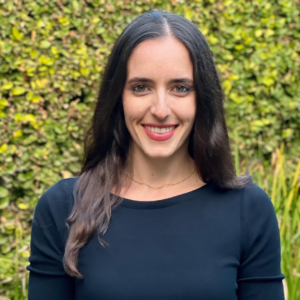
Dr. Taylor Vos, OTD, OTR/L
My passion for maternal health stems from both my professional experience as an occupational therapist and my personal experience as a mother. My first child was breech, and despite attempting numerous conservative strategies throughout pregnancy, she never turned. At 39 weeks, I underwent a planned cesarean section. While I expected the surgery itself, I was unprepared for many aspects of the recovery process. During the procedure, I temporarily lost sensation in my right arm due to anesthesia, which left me frightened and unsure of what was happening. Later, I was surprised to discover metal staples across my incision, something I had not anticipated or been educated about beforehand.
As I began recovering, I noticed gaps in the education and support I received. When it was time to get out of bed for the first time, I relied on my professional knowledge of body mechanics and abdominal precautions to move safely. At discharge, I received limited guidance regarding incision care, lifting and carrying my newborn, positioning during daily caregiving tasks, pain management strategies, and follow-up care for staple removal. What has stuck with me the most was not only the pain, but the realization that I was navigating these challenges as a healthcare professional. A healthcare professional that understands the principles of safe movement, energy conservation, and recovery after surgery. Even so, I encountered unexpected challenges that reinforced the importance of comprehensive postpartum education.
I often reflect on how different that experience may be for mothers without a healthcare background. If I felt unprepared despite my training, how many women leave the hospital each day without the education, support, and resources needed to confidently recover and care for their newborn? That question has become a driving force behind my interest in maternal health and my desire to improve access to occupational and physical therapy services for women during the perinatal and postpartum period.
My understanding of women’s health continued to evolve beyond my first postpartum experience. When my husband and I began trying to conceive our second child, we faced nearly a year of infertility before learning that scar tissue from my previous cesarean section had adhered to my uterus and was affecting conception. Following a corrective procedure, I became pregnant the following month. Later, I encountered another challenge: finding a provider willing to support a vaginal birth after cesarean (VBAC). Through that process, I became a stronger advocate for my own care and gained a deeper understanding of pelvic floor health, core recovery, labor positioning, and evidence-based birth options. These experiences reinforced the importance of education, individualized care, and empowering women to actively participate in healthcare decisions that can influence outcomes for years to come.
My experiences ultimately highlighted a larger issue within maternal healthcare: the distinction between medical recovery and functional recovery. In many healthcare settings, postpartum recovery is measured through medical milestones. Is the incision healing appropriately? Is bleeding within expected limits? Are vital signs stable? Is the patient medically safe for discharge? These measures are critically important, yet they often fail to address the functional realities that begin the moment a mother returns home.
A woman recovering from childbirth is not simply recovering from a medical event. She is simultaneously adapting to one of the most significant life transitions she will ever experience. Whether recovering from a cesarean section, a complicated vaginal delivery, a perineal tear, or a traumatic birth experience, she is expected to care for a newborn while managing pain, fatigue, sleep deprivation, emotional changes, and the physical demands of motherhood.
Questions quickly arise that are rarely addressed through traditional discharge instructions. How can she safely lift and carry her baby while protecting healing tissues? What positions support comfortable feeding and reduce strain on her neck, shoulders, and back? How can she move efficiently when every transfer is painful? What breathing strategies support healing and core recovery? How can she gradually return to meaningful daily activities while minimizing the risk of injury or dysfunction?
These challenges represent more than physical recovery; they represent occupational performance. They influence a mother’s ability to care for herself, care for her infant, participate in family life, and confidently assume her new role. When these needs go unaddressed, women may experience unnecessary pain, reduced confidence, delayed recovery, and feelings of isolation during an already vulnerable time.
Occupational and physical therapy are uniquely positioned to bridge this gap. Rather than focusing solely on healing, rehabilitation professionals help mothers navigate the practical, physical, and emotional demands of daily life after birth. Through education, movement strategies, positioning, pain management techniques, breathing and core activation, and individualized support, therapists can empower women to recover with greater confidence and independence. As both a clinician and a mother, I believe this support should not be considered a luxury or specialty service. It should be viewed as an essential component of comprehensive maternal healthcare.
My experience, along with the stories I continue to hear from mothers in my community, has led me to believe that maternal healthcare has an opportunity to expand. Beyond only treating medical conditions, we can begin prioritizing functional recovery as an essential component of care. Women are often expected to navigate pregnancy, childbirth, and recovery with remarkably little preparation for the physical demands that lie ahead. We routinely provide education and rehabilitation before and after orthopedic surgeries, cardiac procedures, and other major medical events because we recognize that healing requires more than a successful procedure. Yet many women enter labor, undergo cesarean deliveries, experience significant perineal trauma, or recover from gynecological surgeries without receiving the same level of functional preparation and support.
Rehabilitation professionals are uniquely positioned to help bridge this gap. By integrating occupational and physical therapy into prenatal, perinatal, and postpartum care, women can gain practical strategies that support both healing and participation in daily life. Education regarding body mechanics, breathing techniques, core protection, infant-care positioning, energy conservation, and realistic recovery expectations can empower women to navigate these transitions with greater confidence and independence.
The opportunity extends beyond reducing pain or improving mobility. It is about helping women fully engage in the roles and occupations that matter most to them during one of life’s most significant transitions. As healthcare continues to evolve toward more holistic and patient-centered models of care, I believe occupational and physical therapists have a unique opportunity. We are equipped to help redefine what comprehensive maternal health services can look like and ensure that functional recovery becomes an expected component of women’s healthcare rather than an overlooked one.
For these reasons, I believe occupational and physical therapy should be viewed as essential components of maternal healthcare rather than optional services. The impact of this scholarship extends far beyond a single certification. While the 30-hour Perinatal Specialist training will strengthen my clinical expertise, its greatest value lies in its potential to create meaningful change for the women and families I serve.
Throughout my career as an occupational therapist, I have been drawn to opportunities that improve patient experiences, enhance education, and bridge gaps in care. Maternal health represents an area where those opportunities are abundant. Too often, women are expected to navigate pregnancy, childbirth, and recovery with limited preparation and inconsistent access to rehabilitation services that could significantly improve their confidence, function, and overall Well-being.
My goal is not simply to gain knowledge, but to translate that knowledge into action. As an acute care occupational therapist, I have witnessed the positive impact that rehabilitation can have when patients are equipped with the knowledge and tools needed to actively participate in their recovery. Patients recovering from orthopedic procedures, cardiac surgeries, and other major medical events routinely receive education regarding movement strategies, precautions, energy conservation, and expectations for returning to daily activities. Yet many women recovering from childbirth, including cesarean deliveries, receive comparatively little guidance despite facing significant physical demands immediately upon returning home.
This training would allow me to better address that gap within my own practice while serving as a resource for colleagues interested in expanding maternal health services. I hope to incorporate evidence-based education, develop practical resources for patients and families, and promote greater awareness of the role occupational and physical therapy can play throughout the perinatal and postpartum continuum. By strengthening interdisciplinary collaboration and advocating for rehabilitation as a standard component of maternal care, I believe we can improve both patient experiences and long-term outcomes for women navigating these life-changing transitions.
I hope to help create a healthcare environment where women feel informed rather than overwhelmed, supported rather than isolated, and prepared rather than uncertain. Whether through patient education, program development, interdisciplinary collaboration, or advocacy, I want to contribute to a culture that recognizes functional recovery as an essential component of maternal healthcare. I envision a future where discussions surrounding movement, recovery, body mechanics, breathing strategies, and role transition begin before delivery and continue throughout the postpartum period. A future where women recovering from cesarean deliveries, birth trauma, pelvic health conditions, or gynecologic procedures have access to the resources and support they need to fully participate in the occupations that matter most to them.
This scholarship represents an opportunity to become part of that change. By developing specialized expertise in trauma-informed maternal health, I hope to help expand awareness, improve access to care, and contribute to a future where comprehensive maternal rehabilitation is not the exception, but an expected and integrated component of women’s healthcare.
My mission is to transform postpartum care by combining my lived experience as a mother with my expertise as an OT to provide compassionate, evidence-based care that empowers every woman to heal with confidence, navigate the transition into motherhood with dignity, and never feel alone in her postpartum journey.
– Dr. Taylor Vos, OTD, OTR/L